 0
0
 0
0
Classic books are full of gambling and people taking huge risks. These stories show timeless truths about humans and chance. Old writers got probability better than most casino players today. They spotted patterns in randomness that still work now.
Great writers didn’t include luck just for fun. They used gambling to dig into bigger questions about fate. Their characters place bets that look like life’s major choices. These books completely change how you see risk.
Dostoevsky’s Raw Truth About Addiction
Fyodor Dostoevsky lived through gambling addiction himself. He blew fortunes at European roulette tables. His book “The Gambler” nails the insanity perfectly. The desperation jumps off every single page.
The main guy Alexei can’t quit chasing what he lost. He tells himself the next spin fixes everything. This lie wrecks his relationships and destroys his career. Dostoevsky shows addiction twisting all logical thought.
The novel proves gambling addiction has nothing to do with money. It’s the emotional high and running from real life. Alexei only feels truly alive when he risks everything. Winning matters less than just making the bet.
Dostoevsky lays out the pattern every addict follows. Small wins build false confidence for larger bets. Losses spark frantic recovery attempts. The loop runs until there’s nothing left. Casinos today milk this exact mental weakness.
Pushkin’s Truth About Probability and Fate
Alexander Pushkin’s “The Queen of Spades” digs into magical luck. Hermann learns a supposedly winning card sequence. He thinks this secret guarantees unlimited wealth. His hunt for certainty ends up destroying him completely.
Hermann represents people who think they’ve cracked the system. He wants guaranteed wins without accepting risk. This mindset ignores the fundamental nature of gambling. No system beats pure probability over time.
The story shows how greed blinds rational judgment. Hermann had a modest army career and decent prospects. His desire for instant wealth makes him abandon everything stable. He trades real security for imaginary certainty.
Pushkin understood that luck can’t be controlled or predicted. The cards that supposedly guarantee success ultimately betray Hermann. His mental breakdown represents what happens when delusion meets reality. You can’t force fate to cooperate with your plans.
Shakespeare’s Take on Calculated Risks
Shakespeare rarely wrote explicit gambling scenes but risk fills his plays. His characters constantly make high-stakes decisions with uncertain outcomes. They bet everything on love, power, and revenge. The Bard understood risk better than any casino expert.
Hamlet hesitates because he can’t calculate the odds properly. He knows killing Claudius carries enormous risk. His indecision shows what happens when you overthink probability. Sometimes you just have to act despite uncertainty.
Macbeth takes the opposite approach and acts too rashly. The witches give him partial information about his fate. He bets everything on their prophecy without seeing the trap. His story warns against overconfidence based on incomplete data.
Julius Caesar’s conspirators make a terrible risk assessment. They kill Caesar but don’t plan for the aftermath. Their gamble fails because they only thought one move ahead. Good risk management requires seeing multiple steps into the future.
Key Risk Lessons from Shakespeare
- Overthinking paralyzes decision-making when action is needed
- Partial information creates dangerous overconfidence
- Big moves require planning beyond the immediate outcome
- Emotional decisions ignore probability and lead to disaster
- Sometimes the safe choice carries the highest risk
Balzac’s Portrait of the Professional Gambler
Honoré de Balzac created unforgettable gamblers in “The Human Comedy” series. His characters treat cards as a profession not entertainment. They understand probability, psychology, and bankroll management. These aren’t addicts but calculated risk-takers.
Balzac shows the difference between gambling and calculated risk. Professional players in his stories set strict loss limits. They study opponents and exploit weaknesses methodically. They walk away when odds turn against them.
The French author also depicts gambling’s social dimension perfectly. His card games happen in salons where reputations are made. Players use gambling to network and demonstrate character. The stakes involve more than just money on the table.
Balzac understood that successful gamblers master emotional control. They don’t chase losses or celebrate wins excessively. They treat each hand as independent from previous results. This discipline separates professionals from desperate amateurs.
Melville’s Meditation on Chance and Fate
Herman Melville’s “Moby-Dick” is essentially one giant gambling story. Captain Ahab bets his ship and crew on finding one whale. He ignores terrible odds because of personal obsession. The whole crew pays for his refusal to accept probability.
Ahab represents the gambler who personalizes random events. The white whale took his leg by chance not malice. He invents meaning in chaos to justify his vendetta. This thinking pattern appears in every casino worldwide daily.
The novel shows how one person’s gambling can destroy innocent bystanders. Ahab’s crew didn’t sign up for a suicide mission. They wanted a profitable whaling voyage with acceptable risks. His obsession transforms reasonable risk into guaranteed catastrophe.
Melville argues that some risks aren’t worth taking ever. No potential reward justifies certain destruction. Ahab could walk away but his ego won’t allow it. Pride turns a bad bet into inevitable tragedy.
Tolstoy’s View of Risk in War and Peace
Leo Tolstoy filled “War and Peace” with gambling scenes. His aristocrats bet fortunes on cards without blinking. These scenes reveal character and social commentary simultaneously. Tolstoy uses gambling to show moral bankruptcy.
Nicholas Rostov’s gambling debts nearly destroy his family. He loses 43,000 rubles in one night to Dolokhov. This amount could buy multiple estates or feed villages. His recklessness shows how privilege enables dangerous risk-taking.
Dolokhov plays cards to humiliate Nicholas deliberately. He’s not gambling but executing social revenge. Tolstoy reveals how gambling becomes psychological warfare. The skilled player manipulates the desperate one mercilessly.
The novel teaches that gambling reveals true character under pressure. Nicholas almost welches on his debt despite family honor. Only his father’s intervention prevents complete disgrace. Money pressure exposes who people really are inside.
Dickens and the Gamble of Social Mobility
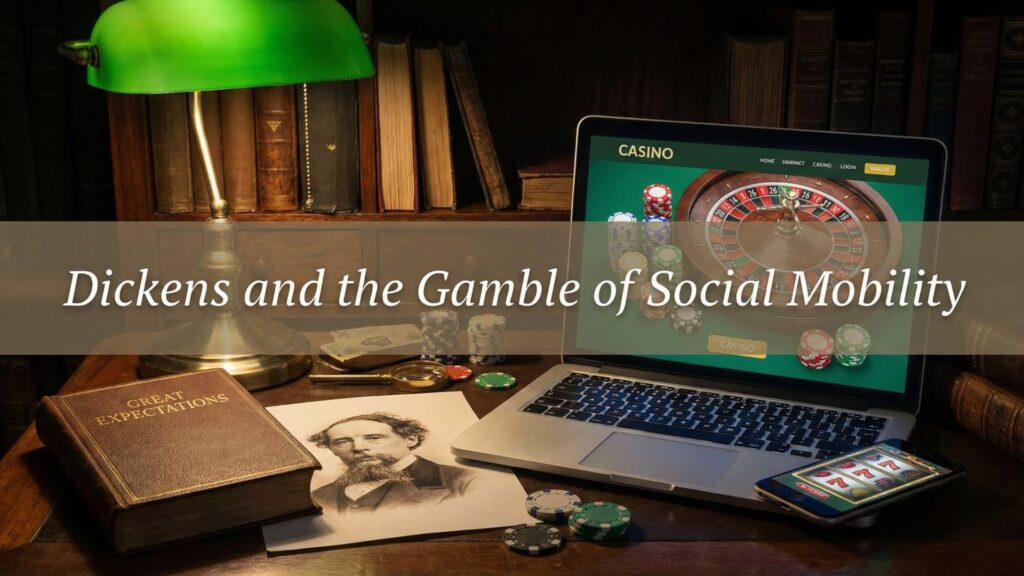
Charles Dickens understood that Victorian society itself was a gamble. Characters in his novels bet on education, business, and relationships. Some win big while others lose everything. Class mobility required risk-taking in an unfair system.
Pip in “Great Expectations” gambles on becoming a gentleman. He abandons honest work for mysterious fortune and status. His bet pays off initially but the foundation proves rotten. Dickens shows how social gambling differs from casino games.
The author also depicts how poverty forces desperate gambling. Poor characters take risks wealthy people would never consider. They have nothing to lose so terrible odds seem acceptable. Desperation changes how you calculate probability completely.
Dickens recognized that the biggest gambles involve human relationships. Pip bets his happiness on Estella who can’t love him. Miss Havisham wagered everything on her fiancé’s faithfulness. Both lost because they ignored obvious warning signs.
Applying Literary Wisdom to Modern Risk
These classic authors teach lessons casinos don’t want you knowing. Dostoevsky warns that the house always wins eventually. Pushkin shows that certainty in gambling is pure delusion. Shakespeare demonstrates that emotional decisions guarantee bad outcomes.
Read Balzac to understand professional risk management principles. Study Melville to recognize when revenge drives your betting. Learn from Tolstoy how privilege enables dangerous financial recklessness. Dickens reminds us that desperate circumstances cloud judgment.
Literature provides distance that personal experience can’t offer. You see patterns in fictional characters that you miss in yourself. These stories survived centuries because they capture universal truths. The human relationship with risk hasn’t changed at all.
Classic writers understood probability intuitively before mathematics proved them right. They saw gambling as metaphor for life’s biggest choices. Their insights apply whether you’re betting money or making career moves. Risk is risk regardless of the stakes involved.
Pick up these books before you visit any casino. They’ll teach you more than any gambling system ever could. Great literature beats expensive lessons learned through personal losses. These dead authors want to save you from repeating ancient mistakes.